Why AI Strategy Fails: Lessons from High-Stakes Poker
Poker has spent decades building a precise vocabulary for decisions under uncertainty against adversaries. Business has spent the same decades building euphemisms for the same problem.
Hidden information. Asymmetric incentives. Bad players with big stacks. Smart players on tilt. Consultants selling perfect theory to tables full of fish. Correct decisions that lose. Bad decisions that get promoted. And a pot large enough that rational people stop being rational.
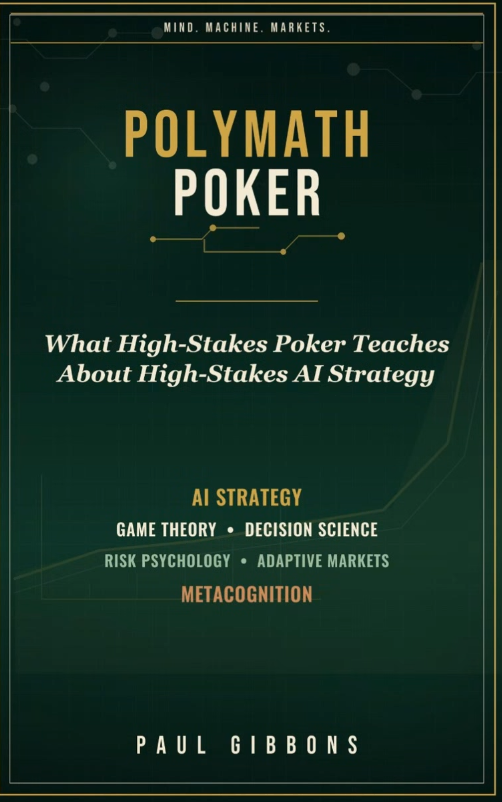
Polymath Poker is not a poker memoir. It is not another AI hype book. It is a field guide to judgment when the cards are hidden, the players are learning, and the cost of one bad bet is rising.
It comes from the collision of boardrooms and card rooms: two places full of smart people making expensive decisions with incomplete information.
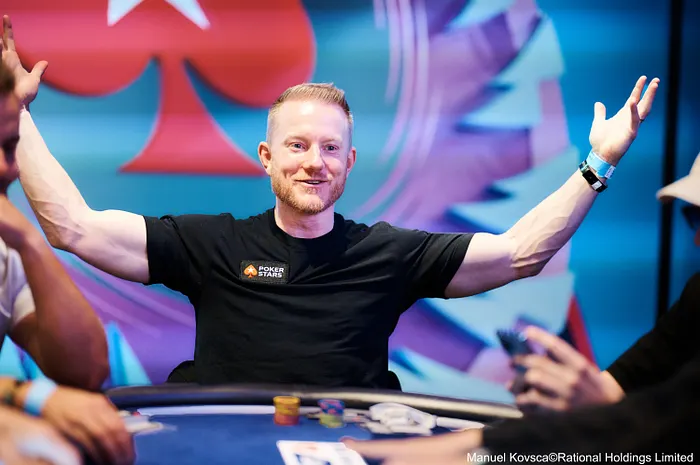
The best poker players in the world are not gamblers in hoodies. They are operators: fastidious, emotionally regulated, process-obsessed, and brutally honest about their leaks.
Jason Koon and Stephen Chidwick — more than $150 million in recorded live tournament cashes between them.
What separates players at that level is not bravado. It is fastidious preparation, emotional regulation, physical discipline, mental strength, and a ruthless willingness to find leaks in their own game.
That is the model for the AI era. Not genius as performance. Not confidence as theatre. Operating discipline under uncertainty.
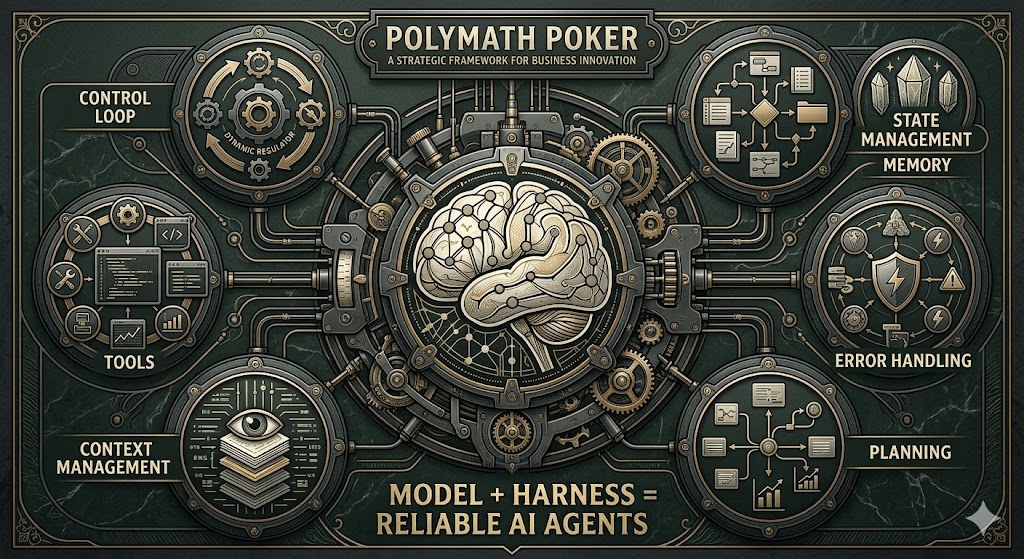
AI will not destroy most organizations in one dramatic hand. It will expose the 500 weak decisions that came before the crisis: the pilot that never became a capability, the vendor deck mistaken for strategy, the maturity model sold as wisdom, the compliance freeze, the press release before product, the clever model with no harness.
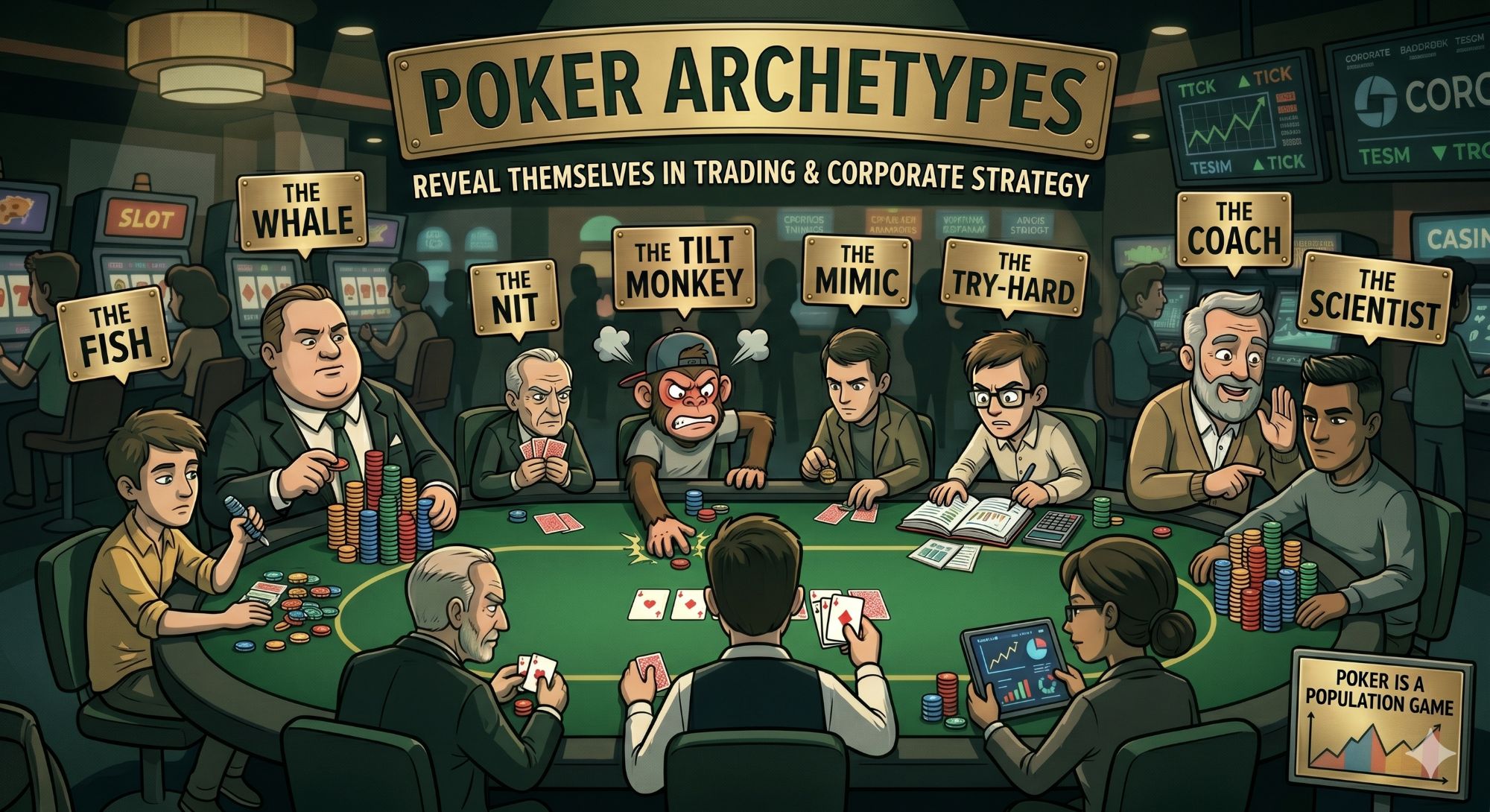
Poker is a population game. So is AI. The right move depends on who else is sitting at the table.
The cards have changed. The table has changed. The price of bad judgment has changed.
Buy on Amazon